Why Is Office Furniture Maintenance Often Overlooked?
In many organizations, there is no specific person or department responsible for office furniture maintenance. As a result, furniture usually receives attention only after a malfunction occurs or significant damage has already developed.However, delaying minor repairs often leads to higher repair costs and, in some cases, the need to replace the furniture entirely.
A simple, planned annual maintenance program can prevent most of these issues.
Office Chair Maintenance
Office chairs are among the most frequently used pieces of office furniture. Therefore, regular inspections are especially important.The main maintenance procedures include:
- Lubricate the gas lift mechanism once a year to ensure smooth height adjustment and eliminate squeaking.
- Inspect the casters every three months. Worn or damaged casters should be replaced promptly to prevent damage to flooring.
- Tighten all mechanisms and screws. Loose components reduce user comfort and may create safety risks.
- Clean the upholstery using only the cleaning products recommended by the manufacturer. Unsuitable chemicals may damage fabric or vinyl upholstery.
- Inspect the armrests. Worn armrests can be easily replaced, significantly improving the chair's appearance.
Cubicle System Maintenance
Although office cubicle systems are generally built with durable structures, they should still be inspected periodically.Key maintenance tasks include:
- Cleaning fabric panels to remove dust, grease, and stains.
- Inspecting connectors, fasteners, and desk support components.
- Repairing or replacing scratched or damaged laminate work surfaces.
- Reupholstering fabric panels while retaining the existing structural framework if it remains in good condition.
Desk and Storage Furniture Maintenance
Although desks and storage cabinets generally require less maintenance than other office furniture, regular upkeep remains important.Recommended maintenance includes:
- Lubricating drawer slides once a year.
- Inspecting adjustable leveling feet that rest on the floor.
- Repairing minor scratches using manufacturer-recommended repair products.
- Cleaning laminate or veneer surfaces with non-abrasive cleaning products.
When Is Refurbishment the Better Option?
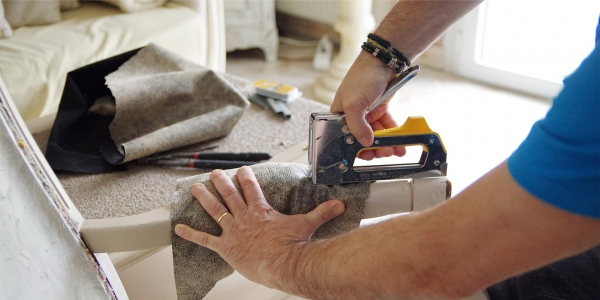
During office renovations or relocations, many companies discover that their existing furniture remains structurally sound but appears outdated.In such cases, refurbishing office furniture is often a more cost-effective solution than purchasing new furniture.
The most common refurbishment methods include:
- Reupholstering office chairs with new fabric and foam, typically costing around 20–40% less than purchasing new chairs.
- Replacing cubicle panel fabrics to give existing systems a completely new appearance.
- Replacing desk work surfaces while retaining the existing structural frame.
- Professionally restoring wooden and painted surfaces to improve aesthetics and extend their service life.
How to Build an Effective Office Furniture Maintenance Program
To maximize the lifespan of office furniture, companies are encouraged to implement a simple but systematic annual maintenance plan.This should include:
- Assess the overall condition of existing furniture.
- Identify components that require repair.
- Prioritize issues that affect safety and usability.
- Repair minor problems before they become major issues.
- Clean all furniture regularly.
- Maintain records of each furniture item's condition, repair history, and estimated service life.