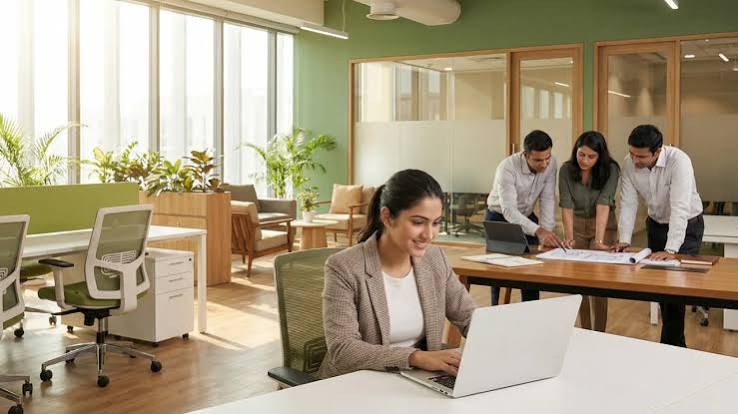
When creating an environment where employees can feel comfortable and perform at their best, every detail matters. From wall colors and lighting to furniture arrangements and workspace organization, each element can influence the overall atmosphere.
Modern offices should be designed with employee satisfaction and comfort in mind. The ideal workplace should be flexible, functional, and suitable for different tasks and working styles. An attractive and practical office can help employees feel valued while also creating a more positive and productive working environment.
1. Encourage Social Interaction Through Design
A flexible office design should give employees opportunities to communicate and collaborate while also providing quiet areas where they can focus without distractions.Flexibility and social interaction can work together when the workplace is properly planned. Different areas can be designed for different activities and employee needs.
For example, an office can include:
- Open areas for teamwork
- Quiet zones for focused work
- Meeting rooms
- Break and relaxation areas
- Informal spaces for social interaction
2. Use Color Psychology
Colors can have a strong influence on people’s emotions, thoughts, and general well-being. For this reason, color selection is an important part of creating a positive office environment.Gray, white, and beige are commonly used in corporate offices because they create a professional and neutral appearance. However, using only neutral colors can sometimes make a workplace feel monotonous.
At the same time, excessive use of bright or chaotic colors can become distracting. A balanced approach is to use neutral tones as the foundation and introduce carefully selected color accents throughout the office.
Color can be incorporated through:
- Office chairs
- Decorative wall panels
- Artwork
- Accessories
- Carpets and textiles
3. Create More Functional Spaces for People
Employees have different needs throughout the working day. Some tasks require complete concentration, while others depend on teamwork and communication.Creating dedicated areas for different activities can make the workplace more comfortable and efficient.
For example, quiet areas can support focused work, while open collaborative spaces can encourage teamwork. Comfortable break areas can give employees a place to relax and recharge during the day.
A well-organized office layout also provides more freedom of movement and better access to natural light. This can help reduce fatigue and contribute to employee satisfaction, collaboration, and overall workplace morale.
4. Encourage Physical Activity
Physical and mental well-being are closely connected. Regular movement throughout the working day can help employees feel more energetic and support a healthier work routine.Office design can encourage employees to move more naturally during the day. For example, businesses can:
- Encourage the use of stairs
- Place water dispensers away from individual workstations
- Create dedicated movement or break areas
- Use sit-stand desks
- Design comfortable spaces for short breaks
Small changes to the office layout can encourage healthier habits without disrupting productivity.
5. Introduce Multisensory Biophilic Design
Several factors contribute to a healthy workplace, including natural elements, lighting, acoustics, temperature, and access to comfortable relaxation areas.Biophilic design brings elements of nature into the workplace. A multisensory approach goes beyond visual elements by incorporating natural sounds, textures, materials, scents, and lighting.
This can include:
- Indoor plants
- Natural materials such as wood and stone
- Lighting that supports natural daylight patterns
- Natural sounds
- Natural scents
- Colors and textures inspired by nature
Conclusion
An office that positively influences employee mood is about more than attractive furniture and stylish interiors. A successful workplace should support comfort, communication, concentration, movement, and overall well-being.Thoughtful use of colors, functional workspace planning, opportunities for physical activity, and natural elements can help create a more comfortable and motivating office environment.
By investing in a well-designed workplace, businesses can create a space where employees feel more comfortable, valued, and motivated to perform at their best.