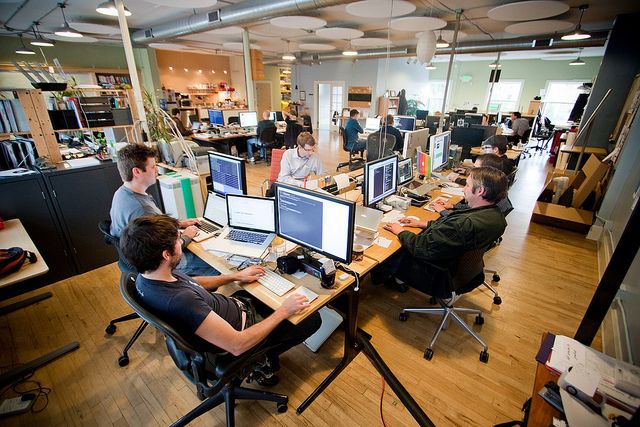
A positive and comfortable work environment can significantly influence employee attitudes, communication, performance, and productivity. Creating a workplace where employees feel respected, comfortable, and valued is an essential part of building a successful business.
In today's modern workplace, organizing the office environment properly plays an important role in improving productivity and employee satisfaction. Here are seven effective ways to create a healthier, more comfortable, and productive office environment.
1. Prioritize Ergonomics, Natural Light, and Air Quality
Natural light and good air quality can have a positive impact on employee mood and productivity. One of the most effective ways to improve an office environment is to create a comfortable and healthy workspace with sufficient natural lighting.
Desks, chairs, and computer equipment should be properly arranged to support good posture and reduce physical discomfort during long working hours. Ergonomic furniture and well-organized workstations help employees work more comfortably and efficiently.
In addition, regular ventilation, air purifiers, and indoor plants can contribute to creating a healthier and more pleasant workplace.
2. Promote Organization
A cluttered and disorganized workspace can increase stress levels and reduce concentration. Keeping desks and common office areas clean and organized allows employees to focus better and work in a calmer environment.
Here are some practical ways to improve office organization:
- Provide shelves and drawers for different office items;
- Regularly remove unnecessary items from workspaces;
- Keep floors clean and dry;
- Maintain proper hygiene throughout the office;
- Ensure sufficient lighting and fresh air;
- Encourage employees to keep their personal workspaces organized.
A well-organized office not only looks more professional but also helps reduce distractions and improve daily workflow.
3. Create Quiet Work Zones
Open-plan offices are useful for encouraging teamwork and communication. However, employees sometimes need a quiet space to concentrate, attend important meetings, or discuss confidential matters.
Creating designated quiet zones allows employees to focus more effectively and complete their tasks without unnecessary distractions.
Separate meeting rooms, individual work areas, and quiet spaces can be designed for this purpose. Such areas help improve concentration while ensuring that individual work does not disturb other employees.
4. Encourage Collaboration and Teamwork
While quiet work zones are important, spaces that encourage teamwork and collaboration are equally valuable. Comfortable seating areas, whiteboards, and shared discussion spaces can encourage creative thinking and the exchange of ideas.
Holding regular team meetings, discussing achievements, and recognizing employee contributions can also have a positive impact on motivation.
Open communication and mutual support help employees feel like valued members of the team and encourage a stronger sense of responsibility toward their work.
5. Support Employee Well-Being
A workplace culture that prioritizes employees' physical and emotional well-being contributes to a healthier and more productive workforce.
Encouraging positive communication, respecting employee opinions, and creating a supportive atmosphere are important elements of a healthy work environment. Positive interactions between managers and team members can help build trust and improve workplace relationships.
Providing comfortable break areas, encouraging short breaks, and maintaining healthy working conditions can also contribute to employee satisfaction and overall well-being.
6. Offer Flexible Work Options
Flexibility has become an important part of modern workplaces. Flexible working hours, remote work opportunities, and adaptable workspaces can help employees maintain a better balance between their professional and personal lives.
Office spaces should also be designed to accommodate different work requirements. For example, the same area can be used for individual tasks, team meetings, or informal discussions.
A flexible approach allows businesses to adapt more easily to changing needs and use office resources more efficiently.
7. Organize Fun Team Activities
Team activities outside regular working hours can help strengthen relationships between employees and create a stronger sense of belonging.
Organizing social events, team lunches, sports activities, or other recreational programs can bring colleagues closer together. Celebrating birthdays, professional achievements, and special occasions as a team can also contribute to a more positive workplace atmosphere.
These activities help improve team spirit and may strengthen employees' connection with the organization.
Conclusion
A comfortable, healthy, and well-organized work environment can have a significant impact on employee performance and overall productivity. Using ergonomic furniture, maximizing natural light, maintaining office organization, and creating spaces for both quiet work and collaboration are essential elements of a modern workplace.
At the same time, supporting employee well-being, offering flexible work options, and encouraging team activities can contribute to a more positive and productive office culture.