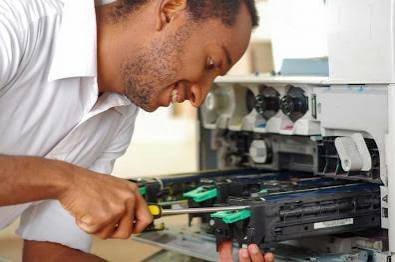
Equipment maintenance is a critical part of any business operation. It includes a range of activities designed to keep machinery, tools, and other equipment in optimal working condition. By implementing consistent maintenance practices, organizations can improve operational efficiency, enhance workplace safety, reduce downtime, and extend the lifespan of their equipment.
This guide explains what equipment maintenance is, why it is important, and provides practical examples across different industries.
What Is Equipment Maintenance?
Equipment maintenance refers to the routine inspection, servicing, cleaning, calibration, and repair of machinery and other assets to keep them operating safely and efficiently.
The primary goals of equipment maintenance are to:
Prevent unexpected equipment failures
Extend the operational lifespan of machinery
Maintain safe working conditions
Improve operational efficiency
Reduce maintenance and replacement costs
Equipment maintenance is required across a wide range of industries. Common examples include industrial machinery, vehicles, medical equipment, IT hardware, power tools, laboratory equipment, and office equipment.
It is important to distinguish maintenance from repairs. Maintenance is primarily proactive, focusing on preventing problems before they occur through activities such as lubrication, cleaning, calibration, inspections, software updates, and scheduled servicing. Repairs, on the other hand, are generally reactive and are performed after a breakdown or malfunction has already occurred.
Why Is Equipment Maintenance Important?
Regular equipment maintenance provides several operational and financial benefits. A well-planned maintenance program can help organizations protect their assets while maintaining productivity and workplace safety.
1. Extends Equipment Lifespan
Regular maintenance can significantly increase the useful life of equipment. Routine inspections allow businesses to identify worn or damaged components before minor problems develop into major failures.
Proper lubrication, cleaning, calibration, and adjustment also help reduce unnecessary friction, stress, and deterioration of mechanical components.
Following the manufacturer's recommended maintenance schedule ensures that equipment receives the appropriate care at the right intervals.
2. Reduces Unexpected Downtime and Equipment Failures
Unexpected equipment breakdowns can interrupt production, delay projects, and increase operating costs.
A preventive maintenance program helps identify recurring problems and potential failures before they affect operations. Maintaining detailed service records can also help maintenance teams recognize patterns and determine when components may need replacement.
Regular testing of backup systems and standardized maintenance procedures can further improve reliability and reduce the risk of unexpected downtime.
3. Ensures Workplace Safety and Regulatory Compliance
Properly maintained equipment is essential for maintaining a safe working environment.
Regular inspections can identify potential hazards before they result in accidents or injuries. Safety components such as emergency stops, protective guards, and safety interlocks should be inspected regularly to ensure they remain functional.
Documented inspections and maintenance activities can also help organizations demonstrate compliance with applicable workplace safety requirements and regulations.
4. Improves Efficiency and Operational Performance
Well-maintained equipment can operate more consistently and efficiently, helping organizations improve productivity and reduce waste.
Regular calibration and adjustment of automated equipment can improve accuracy and reduce variations in production. Monitoring operating conditions such as temperature, pressure, alignment, and energy consumption can also help equipment perform closer to its intended operating parameters.
As a result, effective maintenance can contribute to improved product quality, lower energy consumption, and more efficient workflows.
5. Minimizes Long-Term Costs and Maximizes ROI
Preventive maintenance can help organizations identify potential problems before they become expensive failures.
Avoiding unplanned downtime reduces the financial impact of production interruptions, delayed projects, emergency repairs, and premature equipment replacement.
Well-maintained equipment may also retain greater value over time and can help businesses protect their initial investment. Maintaining equipment at optimal operating conditions can additionally reduce unnecessary energy consumption and ongoing operating expenses.
What Industries Use Equipment Maintenance?
Equipment maintenance is essential across many industries. Although maintenance requirements vary depending on the equipment and operating environment, the objective remains the same: keeping critical assets safe, reliable, and operational.
Manufacturing
Manufacturing facilities depend on machinery and production equipment that must operate consistently. Regular inspections, servicing, lubrication, calibration, and component replacement can help prevent production interruptions and maintain productivity.
Healthcare
Healthcare facilities rely on critical equipment such as MRI systems, ventilators, patient monitors, diagnostic devices, and laboratory equipment.
Regular maintenance helps ensure that medical equipment operates accurately and reliably while reducing the risk of equipment-related disruptions.
Education
Schools, universities, and training institutions use a wide range of equipment, including computers, projectors, laboratory instruments, HVAC systems, and other technical devices.
Routine maintenance helps keep these systems operational and supports an effective learning environment.
Construction
Construction companies rely on equipment such as cranes, excavators, loaders, generators, and other heavy machinery.
Regular inspections and preventive maintenance can reduce unexpected breakdowns, improve equipment reliability, and help keep construction projects on schedule. Proper maintenance also contributes to safer working conditions on construction sites.
Hospitality
Hotels, restaurants, and other hospitality businesses depend on HVAC systems, kitchen appliances, refrigeration equipment, laundry machines, and other operational assets.
Regular maintenance helps minimize equipment downtime, maintain hygiene standards, reduce emergency repair costs, and support a consistent guest experience.
Transportation and Logistics
Transportation and logistics companies depend heavily on vehicles and other equipment to maintain reliable operations and timely deliveries.
Preventive maintenance can help reduce vehicle breakdowns, improve reliability, extend vehicle lifespan, and minimize unexpected repair costs. Regular inspections also support compliance with applicable safety requirements.
Best Practices for Effective Equipment Maintenance
A successful equipment maintenance program should be structured around the specific needs of each asset.
Organizations can improve their maintenance processes by:
Creating preventive maintenance schedules
Following manufacturer recommendations
Keeping detailed maintenance and service records
Conducting regular inspections
Monitoring equipment performance
Replacing worn components before failure
Training employees on proper equipment operation
Tracking maintenance costs and equipment history
Using maintenance management or asset tracking software
A centralized maintenance system can make it easier to track equipment, schedule inspections, document repairs, and monitor asset performance.
Conclusion
Equipment maintenance is an essential part of efficient and safe business operations. Regular inspections, preventive servicing, calibration, cleaning, and timely component replacement can help organizations extend equipment lifespan, reduce unexpected downtime, improve operational performance, and control long-term costs.
From manufacturing and healthcare to construction, hospitality, education, and logistics, effective equipment maintenance helps businesses keep critical assets reliable and productive.
By developing a structured maintenance strategy and maintaining accurate equipment records, organizations can protect their investments while creating safer, more efficient, and more reliable working environments.