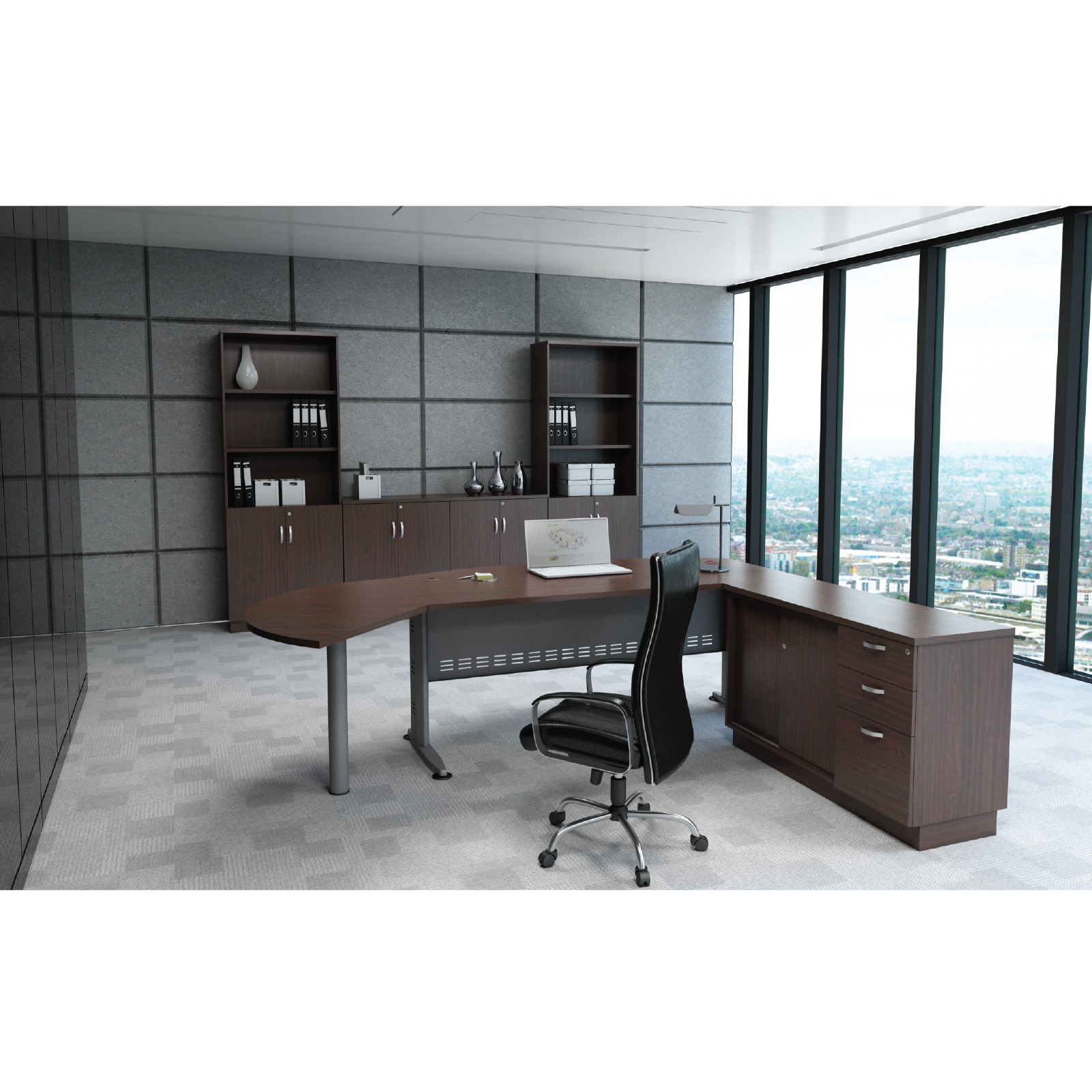
The key factors to consider when purchasing office furniture include ergonomics, quality, functionality, efficient use of space and sustainability.
The Role of Office Furniture in a Productive Workplace
Office furniture is much more than desks and chairs. It forms an important part of the working environment and can influence how comfortably and efficiently employees perform their daily tasks.Well-designed furniture can support different working styles, from individual tasks that require concentration to teamwork and meetings. When selecting furniture, it is also important to consider the overall office design and the organisation's working needs.
A functional and visually balanced office environment can create a more comfortable and professional atmosphere for both employees and visitors.
How Does Ergonomics Affect Employee Comfort and Productivity?
Ergonomics is one of the most important factors when choosing office furniture. A properly designed workstation can help reduce discomfort associated with prolonged sitting and poor posture.Important ergonomic features include:
- Height-adjustable desks that support both sitting and standing work;
- Ergonomic office chairs with multiple adjustment options;
- Monitors positioned at an appropriate height and distance;
- Keyboards and mice positioned to keep the wrists in a comfortable and neutral position.
How to Assess the Quality of Office Furniture
Price and appearance should not be the only factors considered when purchasing office furniture. The quality of materials, structural strength, manufacturing quality, ease of use and warranty conditions are also important.Key characteristics of high-quality office furniture include:
- Durable and wear-resistant materials;
- Strong and stable construction;
- High-quality finishes and components;
- Functional and comfortable design;
- Ergonomic features;
- Suitable warranty and maintenance options.
How to Use Office Space Efficiently
Modern workplaces often require different areas for different types of work. Quiet zones can support individual tasks that require concentration, while collaborative areas can encourage communication and teamwork.In open-plan offices, partitions and modular dividers can help create more comfortable individual workstations. Multi-purpose tables and movable seating can also make it easier to adapt the same space for different activities.
A functional office design should consider:
- Flexible workstations that can accommodate different users;
- Sufficient storage for documents and office supplies;
- Common areas that encourage communication;
- Quiet spaces for phone calls and focused work;
- Functional areas for meetings and presentations.
Why Are Sustainable Office Furniture Solutions Important?
Sustainability is another factor worth considering when purchasing office furniture. Durable and responsibly designed furniture can provide benefits for both businesses and the environment.Key benefits of sustainable furniture include:
- Longer service life;
- Reduced need for frequent replacement;
- Less waste;
- Use of recyclable materials;
- Furniture that can be repaired, reused or refurbished.
Conclusion
When purchasing office furniture, businesses should consider more than design and price. Ergonomics, quality, functionality, sustainability and efficient use of space are all important factors in creating a productive workplace.The right furniture can contribute to a more comfortable working environment, improve the organisation of daily tasks and help businesses use their office space more effectively. Considering both current requirements and future needs can make the investment more practical and sustainable in the long term.