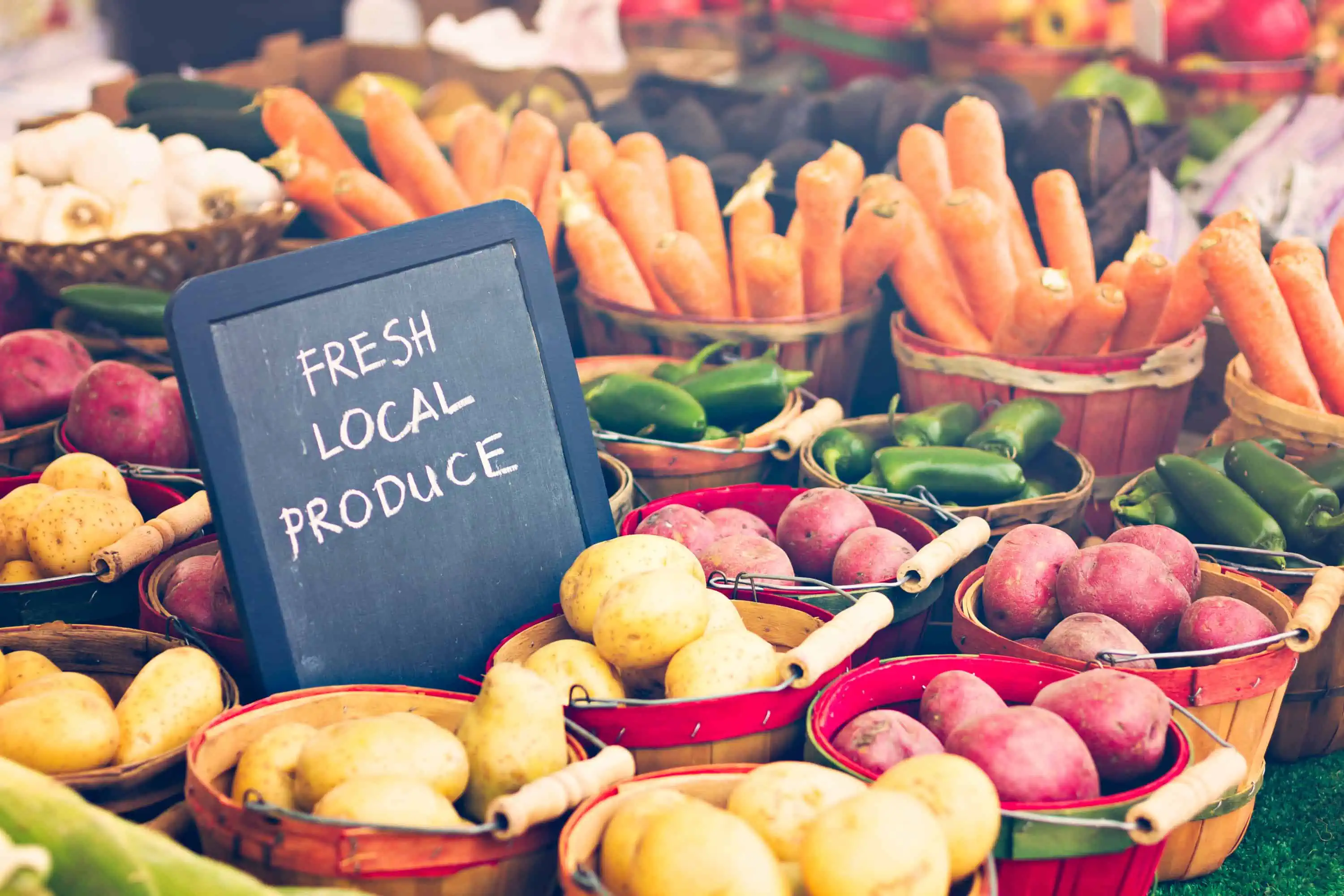
High-quality food choices can help provide the vitamins, minerals, fibre, and other nutrients the body needs. But how can you identify good-quality food? Does a higher price always mean better nutritional value? Let's explore the key factors to consider.
What Is Optimal Food Quality?
Optimal food quality generally means choosing foods that are nutrient-rich, minimally processed, and free from unnecessary additives. Vegetables, fruits, whole grains, nuts, and seeds are important components of this approach to eating.Growing, processing, and packaging methods can also affect food quality. Checking ingredient lists, nutrition labels, and information about a product's origin can help consumers make more informed decisions.
Prioritising nutrient-dense, minimally processed foods can support a balanced diet and form an important part of a healthy lifestyle.
What Is Nutrient Density?
Nutrient density refers to the amount of vitamins, minerals, and other beneficial nutrients a food provides relative to its calorie content.Compared with foods that provide few nutrients, nutrient-dense options can deliver more essential nutrients for a similar number of calories. Including a variety of food groups in your daily meals can therefore help improve the nutritional quality of your diet.
For example, rice and amaranth have different nutritional profiles. Amaranth may provide higher amounts of certain vitamins and minerals. However, nutritional values vary according to the food variety, preparation method, and serving size.
How to Add Amaranth to Your Daily Diet
Amaranth can be used as an alternative to rice in a variety of dishes.- Cook the amaranth: Use approximately 2.5 parts water for every part of amaranth. Simmer for around 20 minutes, or until tender, and drain any excess water if necessary.
- Add vegetables: Stir-fry the cooked amaranth with ingredients such as carrots, broccoli, snap peas, ginger, eggs, and your preferred seasonings.
- Enhance the flavour: Amaranth has a mild, nutty flavour that works well with garlic, ginger, sesame oil, and suitable sauces.
- Create a balanced meal: Serve it with a source of protein and a variety of vegetables for a more balanced dish.
Other Nutrient-Dense Foods
Eating a variety of foods can help provide the nutrients your body needs.Examples of nutrient-rich foods include:
- Vegetables: Bell peppers, broccoli, and carrots;
- Leafy greens: Spinach, beet greens, and Swiss chard;
- Fruits: Strawberries, kiwi, and other fresh fruits;
- Nuts and seeds: Almonds, chia seeds, hemp seeds, pumpkin seeds, and sunflower seeds;
- Carbohydrate sources: Quinoa, sweet potatoes, and squash;
- Protein sources: Salmon, eggs, and other protein-rich foods.
What Are Food Additives, and Are They All Harmful?
Food additives are substances used to improve or maintain a product's taste, colour, texture, or shelf life. They include preservatives, colourants, and other ingredients used for specific technological purposes.Not all food additives are harmful. Many permitted additives are considered safe when used under established conditions. However, some individuals may experience sensitivities to particular ingredients.
Reading ingredient labels, following appropriate storage instructions, and choosing a varied diet can help consumers make informed food choices. Mobile apps that review product ingredients are also available, but their ratings should not be treated as the only basis for deciding whether a product is suitable.
Why Choose Organic Foods?
Organic foods are produced according to specific agricultural standards. These standards regulate the use of synthetic pesticides, fertilisers, and other substances, although requirements vary by country and certification system.When buying organic products, consider their certification, origin, freshness, and storage conditions. Organic food should not automatically be assumed to be more nutritious or safer in every situation, as these qualities depend on the product and how it is produced.
Local and seasonal produce can also be a good choice. Fruits and vegetables harvested when ripe may offer advantages in flavour and quality. Proper transportation and storage are equally important for maintaining freshness.
Why Does Cooking Method Matter?
The way food is prepared can affect its texture, flavour, and the amount of certain nutrients it retains.Steaming may help preserve some water-soluble vitamins, while boiling can cause some nutrients to pass into the cooking water. Prolonged cooking at high temperatures may reduce certain heat-sensitive nutrients.
The nutritional effects of different cooking methods, including frying, depend on factors such as temperature, cooking time, and the type of oil used.
Eating a combination of raw and cooked vegetables can add variety to your diet. Yoghurt and other fermented foods can also be included in a balanced eating plan. Safe food preparation and proper storage remain essential.
Practical Tips for Choosing High-Quality Foods
You do not need to make complicated changes to improve your eating habits. Small, sustainable steps can help you make better choices over time.- Plan your meals: Preparing a weekly menu can support balanced choices and reduce food waste.
- Pay attention to portions: Choose serving sizes that suit your needs and pay attention to your hunger and fullness cues.
- Include different food groups: Add fruits, vegetables, whole grains, legumes, protein sources, and healthy fats to your diet.
- Read nutrition labels: Compare the amounts of sugar, salt, fat, and other nutrients in similar products.
- Practise mindful eating: Eat at a comfortable pace and pay attention to your body's hunger and fullness signals.
- Make small changes: Choose fruit and nuts for a snack or add an extra serving of vegetables to your weekly menu.
Conclusion
Paying attention to food quality is an important part of maintaining a balanced diet and a healthy lifestyle. A varied eating plan that includes fresh fruits and vegetables, whole grains, protein sources, nuts, and healthy fats can help provide the nutrients your body needs.When choosing food products, consider their ingredients, nutritional value, freshness, origin, and storage conditions. Small, sustainable changes to your eating habits can gradually help you build a more balanced diet.
Because nutritional needs vary from person to person, consulting an appropriate healthcare professional or registered dietitian may be helpful if you have specific dietary requirements or health concerns.