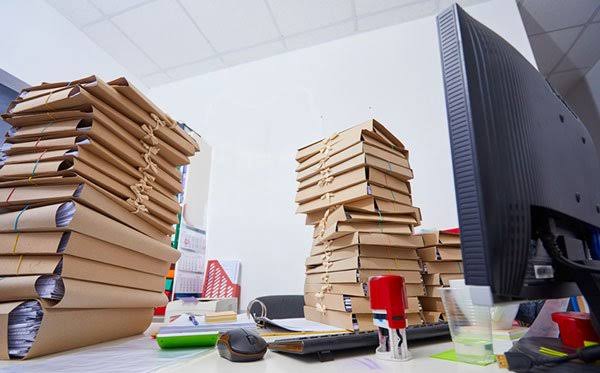
The key is to make responsible waste disposal as easy as possible for employees while focusing first on the largest sources of office waste.
What Are the Biggest Sources of Waste in Modern Offices?
Paper waste is one of the largest sources of office waste, followed by single-use food packaging, disposable cups, and electronic waste. Understanding these major waste streams helps businesses prioritize the areas where reduction efforts can have the greatest impact.
Paper waste goes beyond printed documents. Packaging materials, notebooks, sticky notes, and paper towels can also contribute significantly to office waste.
Offices may also generate considerable amounts of waste from lunch packaging, coffee pods, plastic cutlery, and disposable plates used during meetings and events.
Electronic waste requires special attention. It includes batteries, outdated equipment, printer cartridges, and mobile devices. Although e-waste may represent a smaller volume, it can contain hazardous components as well as valuable materials that can be recovered through proper recycling.
General waste bins often contain a mixture of different materials, making them difficult to separate later. Contaminated recyclable materials, food waste, and incorrectly disposed items can reduce recycling efficiency. Creating clear disposal options for different waste types can help solve this problem.
How Can Offices Implement Effective Waste Separation Systems?
An effective waste separation system should include strategically placed containers, clear labels, and consistent communication throughout the workplace.
Recycling stations should be positioned in high-traffic areas such as kitchens, printer areas, main corridors, and meeting spaces. Separate containers can be provided for paper, plastic packaging, organic waste, and general waste.
Visual signs are often more effective than text-only instructions. Images and color coding can help employees quickly understand which container should be used for each type of waste.
Container size and accessibility are also important. Making recycling bins larger and easier to access than general waste bins can encourage employees to sort materials correctly.
Paper recycling containers should be placed near printers and copiers, where significant amounts of paper waste are generated.
Employee education should explain not only how to separate waste but also why it matters. When employees understand that proper waste separation can reduce disposal costs and support environmental goals, they are more likely to participate consistently.
What Are the Most Cost-Effective Ways to Reduce Office Waste?
Digital document management is one of the most effective ways to reduce paper consumption, printing costs, and physical storage requirements.
Switching to digital workflows can eliminate unnecessary printed documents while improving document accessibility and security. Cloud-based systems can also reduce the need for physical filing cabinets and storage space.
Replacing disposable products with reusable alternatives can provide long-term savings. Providing employees with reusable coffee mugs, water bottles, and lunch containers can reduce the need for continuously purchasing disposable products.
The following strategies can provide strong results:
Enable double-sided printing by default to significantly reduce paper consumption.
Use water filtration systems to reduce the need for bottled water.
Purchase coffee and tea in bulk instead of using individual pods or packets.
Replace printed presentation materials with digital alternatives.
Use electronic invoices and receipts to reduce paper handling.
Why Do Office Waste Reduction Initiatives Often Fail?
Many office waste reduction programs fail because the systems are inconvenient, employees receive insufficient guidance, or management does not provide enough support.
Convenience is one of the most important factors. If separating waste requires more time or effort than throwing everything into a general waste bin, employees are less likely to follow the system.
Management participation is equally important. When leaders do not demonstrate the behaviors they expect from employees, waste reduction initiatives can quickly lose credibility.
Clear communication is also essential. Employees need to understand how their actions contribute to cost savings, environmental objectives, and the company's sustainability goals.
Consistent implementation across all areas of the office is necessary as well. Conflicting instructions about where different types of waste should go can create confusion and lead to poor recycling results.
How Can Office Waste Reduction Progress Be Measured?
Measuring progress starts with establishing a baseline for each waste category and setting realistic reduction targets.
Companies can monitor the weight or volume of different waste containers over several weeks to understand current waste patterns.
The following metrics can be tracked monthly:
Total waste volume per employee
Percentage of correctly separated waste
Reduction in paper consumption through digital processes
Cost savings from reduced waste disposal
Recycling rates for different materials
Employee participation in waste reduction programs
Regularly reporting these results helps maintain employee engagement and demonstrates the value of waste reduction initiatives to management.
What Are the Legal Requirements for Office Waste Management?
Waste management requirements vary depending on the country and region. Businesses may be required to separate certain recyclable materials, maintain waste disposal records, and work with licensed waste management providers.
Electronic waste, batteries, and other potentially hazardous materials may be subject to additional disposal requirements.
Businesses should therefore understand the applicable local regulations, work with reliable waste management providers, and maintain the necessary documentation to ensure compliance.
Effective office waste management is not simply about adding more recycling bins. It requires a combination of digital processes, convenient waste separation, reusable products, employee education, measurement, and management support.
By making sustainable choices easier for employees and focusing on the largest sources of waste, businesses can reduce operating costs, improve workplace efficiency, and contribute to a cleaner environment.